Personal Hygiene Education
Learn about menstrual health, period poverty, and sustainable practices (for menstruation and general sustainability). There are plenty of resources available to support students at UC San Diego, especially at the Basic Needs Hub. Read about how the Hub provides access to menstrual products with many sustainable options.
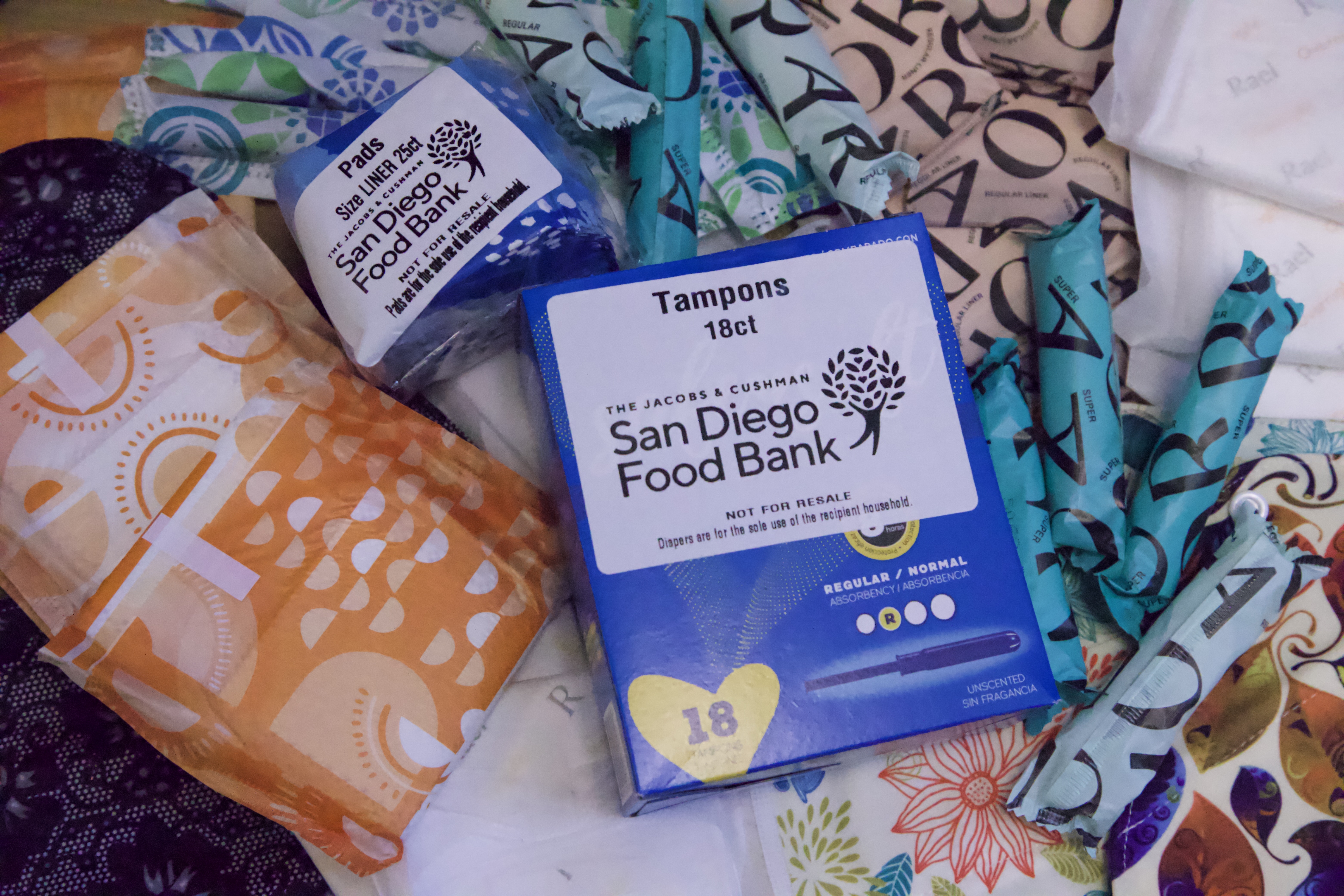
What is Period Poverty?
Period poverty is the lack of access to menstrual products, hygiene facilities, and education needed to manage menstruation safely. This can include not being able to afford pads or tampons, not having access to clean bathrooms or water, or lacking proper knowledge about menstrual health.
Fighting Period Poverty at the Basic Needs Hub
The Personal Hygiene Program (PHP) combats period poverty by providing free tampons, pads (all sizes and types), liners, and reusable options like cups and discs, removing cost barriers and giving students reliable and consistent access to the products they need.
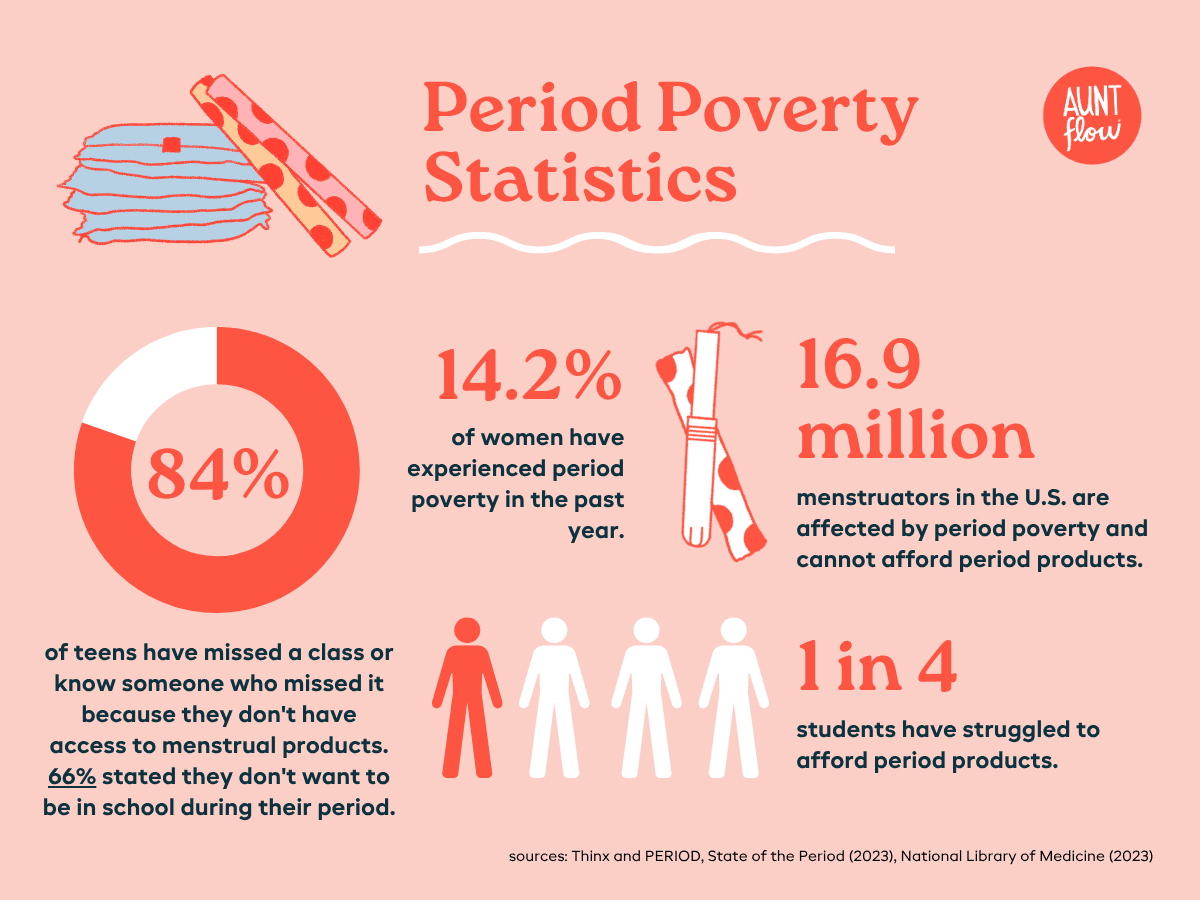
- Approximately 500 million people worldwide lack access to menstrual products and adequate menstrual hygiene facilities.[1]
- An estimated 16.9 million people who menstruate in the United States are living in poverty.[2]
- Two-thirds of low-income women in the United States reported being unable to afford menstrual products within the past year.[2]
- 14.2% of menstruating college students in the United States experienced period poverty in the past year, and 10% experience it monthly.[3]
Note: There is currently limited research and data on period poverty, highlighting the need for additional study and engagement.
[2] Michel, J., Mettler, A., & Schonenberger, S. (2022). Period poverty: why it should be everybody's business. Journal of Global Health Reports.
[3] Cardoso, L. F., Scolese, A. M., Hamidaddin, A., & Gupta, J. (2021). Period poverty and mental health implications among college-aged women in the United States. BMC Women's Health, 21(14).
Free4Me Program
The Free4Me Program provides free menstrual products at public locations throughout San Diego, including libraries, recreation centers, pools, and select beach facilities. The initiative helps reduce barriers to menstrual hygiene access for youth, low-income individuals, and others experiencing period poverty. Visit our Off-Campus Resources page to explore the interactive map and find a Free4Me location near you.
I Support the Girls – San Diego
I Support the Girls is a local organization that collects and distributes menstrual products, underwear, and essential items to individuals in need. Their work focuses on dignity and accessibility for underserved communities.
San Diego Food Bank (Period Supply Program)
The San Diego Food Bank (Period Supply Program) has distributed millions of menstrual products through community partners, helping individuals access basic necessities and continue attending school or work with dignity.
What is Sustainability?
Sustainability is the practice of meeting our current needs in ways that minimize environmental impact and support long-term well-being. In menstrual health, this can include using reusable or lower-waste products and participating in programs that reduce unnecessary consumption. By making more sustainable choices, we can help reduce waste, conserve resources, and create healthier communities for the future.
Sustainable Menstrual Practices at the Basic Needs Hub
- Get menstrual products from the Personal Hygiene Program.
- The Personal Hygiene Program offers reusable and sustainable menstrual products, including organic cotton pads, tampons, cups, and discs.
- Bring a 16 ounce container to the Hygiene Station to refill hygiene products.
More Sustainability at the Basic Needs Hub
The Food Recovery Network (FRN) reduces food waste by recovering surplus food and making it available to students through pop-up distributions. This helps prevent edible food from going to landfills while supporting student food security.
The Spice Station, offered by the Triton Food Pantry (TFP) reduces plastic waste by using reusable plastic bottles that students bring back and keep filling up with spices. Students can also fill up any bottle that they already have instead of constantly buying bottles from the store. The spices are also bought in bulk to reduce the amount of containers bought and used. Check out TFP's Recipes to see what you can make with these spices!
Excessive consumption and waste can contribute to pollution and environmental damage. Refilling containers, repairing clothing, recovering surplus food, and choosing reusable products, can make a positive difference for both humanity and the environment.
- A single person who menstruates uses roughly 11,000 disposable menstrual products in their lifetime [1]
- 8 million metric tons of plastic enter the ocean each year [2]
- 30-40% of the U.S. food supply is wasted each year [3]
- 11.3 million tons of textile waste are generated annually in the U.S. [4]
- 95% less energy is needed to recycle aluminum than to produce it from raw materials [5]
[1] Gangurde, Shweta, and Divya Madamanchi. Empowering change: Sustainable menstrual solutions to end period poverty. Journal of family medicine and primary care vol. 13,11 (2024)
[2] National Ocean Service. A Guide to Plastic in the Ocean. National Oceanic and Atmospheric Administration, n.d., National Ocean Service Article
[3] U.S. Department of Agriculture. Food Loss and Waste. USDA Article
[4] United States Environmental Protection Agency. Textiles: Material-Specific Data. EPA, 19 Mar. 2026, EPA Article
[5] U.S. Energy Information Administration. Recycling. Energy Kids, EIA Article
Food Scrap Drop-Off
Students are able to pick up a small bucket with a lid to collect compostable material in their dorms or apartments. It will also come with a digital guide on what can go in the bin and what cannot. Once the bucket is full, students can go to any compost drop-off location around campus to empty its contents.
Triton2Go Reusable Containers
- Has saved 1,216,741 single-use containers since its launch in November 2020.
- Since Academic Year 2017-18, HDH has eliminated all single-use plastic bags in Markets.
The Student Sustainability Collective
- Use the Mending station to mend and/or sew clothes to prevent them from being put into landfills.
- Use the Menstruation Station at the Student Sustainability Collective for overnight and regular organic pads, heavy duty and regular tampons, and regular sized DivaCups.
San Diego Food System Alliance (SDFSA)
SDFSA strives to create a community food system that values justice and sustainability. Within this food system, sustainable and regenerative farming/ food production practices are used and small, local businesses are supported.
San Diego Roots Sustainable Food Project
This project is a network of engaged citizens in San Diego working to create a sustainable food system that provides San Diego citizens with locally sourced foods grown with ecologically sound practices. This project also supports local farms and contributes to the growth of the local economy.
- Sign up to get a Free Gardening Manual (available in both English and Spanish).
Growing Green Spaces - San Diego Foundation
Growing Green Spaces is program by the San Diego Foundation to support community-led initiatives to use underutilized/paved areas to create parks, school gardens, trees, and other green spaces in San Diego to combat the urban heat island effect, flooding, and air quality issues. This program seeks to get communities to be more in touch with nature and develop climate resilience.
Student Testimonial
"This wonderful program has helped alleviate my financial worries. I feel as though being a student here is already costly enough but having this program provide free menstrual items is great because I am able to focus on caring for my well-being and health instead properly and give it the attention it deserves."
- Personal Hygiene Program User